 Foresight AI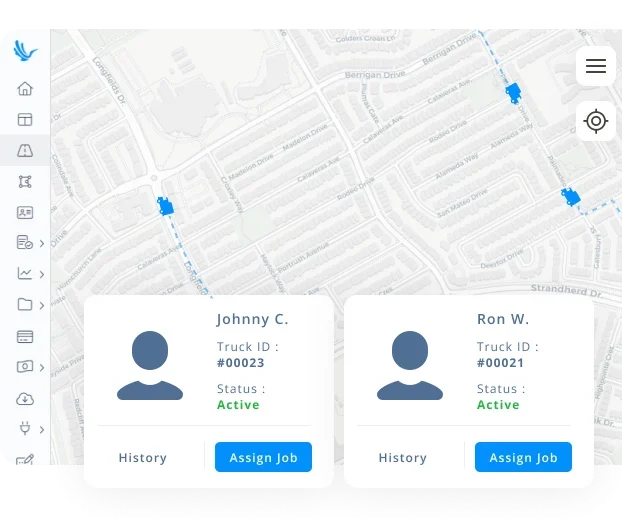
Fleet Routing Software for Managing
& Optimizing Routes
Optimize your fleet and maximize your efficiency. Cigo Tracker’s Fleet Route Optimization Software empowers you to streamline your fleet operations, reduce costs, and enhance customer satisfaction.
over 1000+ brands
proudly partnered up with Cigo Tracker

over 1000+ brands
proudly partnered up with Cigo Tracker

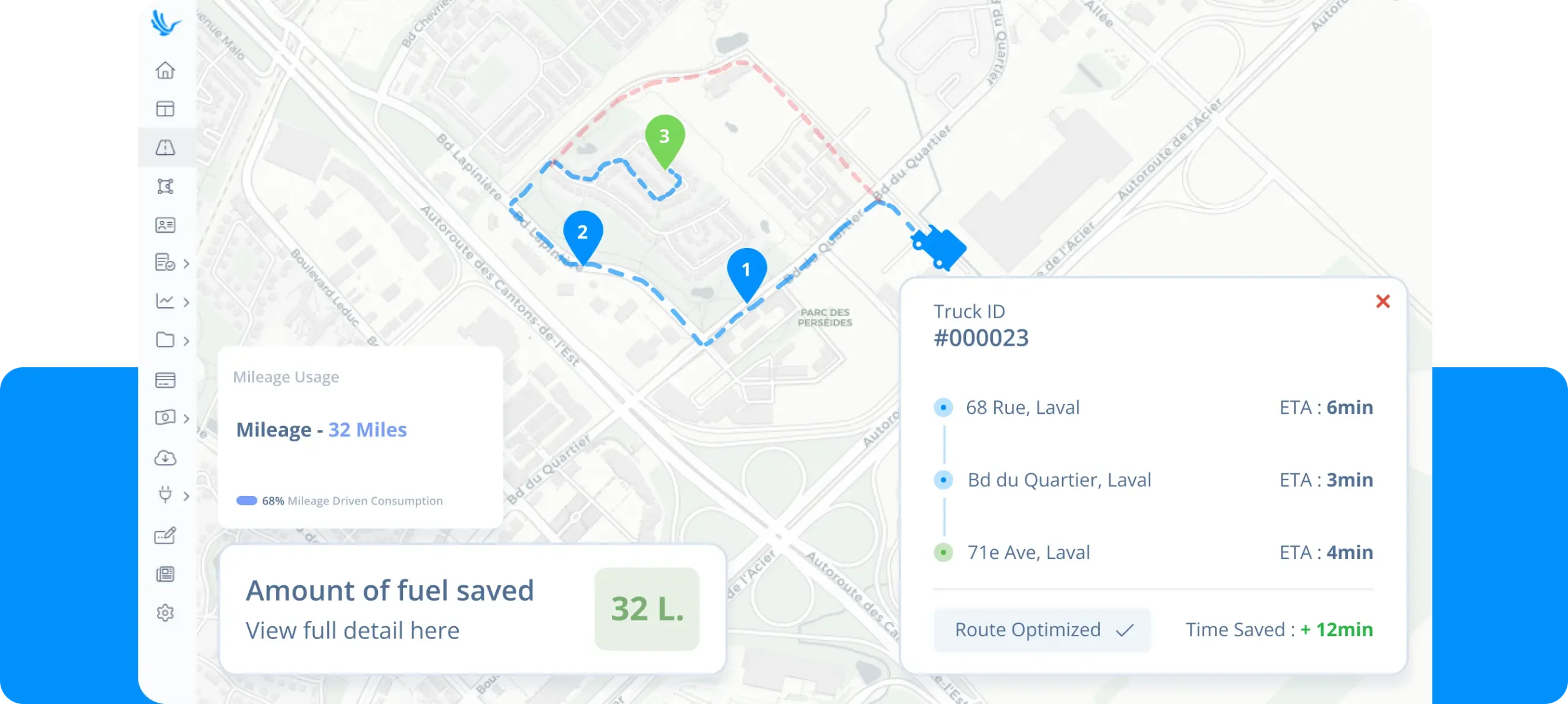
Gain Total Visibility with Real-Time Fleet Tracking
Optimize your routes based on real-time traffic data to reduce fuel consumption and improve delivery times. Our fleet routing software offers real-time GPS tracking to monitor your fleet’s location and status.

Optimize Your Routes, Maximize Your Profits
Maximize driver productivity by assigning optimal routes and reducing idle time. Our advanced fleet management route optimization algorithms help you plan the most efficient routes, minimizing fuel consumption and reducing operational costs related with the number of vehicles and drivers needed.
Real-Time Route Optimization
Our system dynamically adjusts routes based on real-time traffic conditions, minimizing delays and fuel consumption ensuring timely and efficient deliveries.
Intelligent Route Planning
Leverage advanced algorithms to create efficient routes, considering factors like traffic, road conditions, and delivery time windows to optimize fuel usage, reduce operational costs, and enable faster and more efficient deliveries to the customer’s doorstep.
Driver Productivity Boost
Optimize driver schedules and route assignments to maximize productivity and reduce idle time, leading to improved driver satisfaction and increased revenue.
Try Cigo Tracker
With No Commitment for 14 Days
Our 14-day trial, offered without any commitment, is designed to let you experience firsthand the game-changing benefits of our comprehensive delivery and route optimization platform.

Empower Your Drivers, Boost Your Business
Provide targeted training to enhance driving skills and safety, reward top-performing drivers to boost morale and productivity, and leverage comprehensive driver performance reports, including star ratings from customers.
Our fleet route planning software provides real-time driver behavior tracking to identify areas for improvement, ensuring that the most experienced drivers are handling deliveries and optimizing overall performance.

Keep Your Fleet Running Smoothly
Optimize fleet performance and reduce costs by enabling predictive maintenance, minimizing downtime, extending vehicle lifespan, and efficiently scheduling maintenance intervals.
This results in lower maintenance expenses, reduced operational disruptions, and deferred capital expenditure on new vehicles. By leveraging advanced analytics and historical data, you can empower businesses to make informed decisions and achieve significant cost savings.
Control Your Fuel Costs
Generate detailed reports to analyze fuel usage patterns and optimize fuel purchasing. Our fleet route management system allows you to monitor mileage used in real-time so that you can easily control your fuel costs.
What Our Customers Are Saying
Take Control of Your Fleet Today with Cigo’s Fleet Routing Solution
Ready to elevate your fleet operations and drive significant improvements to your bottom line? Our platform empowers you to optimize routes, track your fleet in real-time, and automate key tasks, leading to increased efficiency, reduced costs, and enhanced customer satisfaction.
Start your free trial of Cigo Tracker and experience the power of our advanced fleet management solution firsthand.
Learn more about Cigo
Frequently Asked Questions
How Can Fleet Route Management Software Improve My Business?
Fleet route management software can significantly enhance your business operations by optimizing routes to reduce mileage and fuel consumption, streamlining delivery processes to increase driver productivity, providing accurate ETAs and timely deliveries to enhance customer satisfaction, lowering fuel and operational expenses, and gaining real-time insights into fleet operations.
What are the Key Features of a Robust Fleet Route Management Solution?
A comprehensive fleet route management solution should include real-time GPS tracking to monitor the location and status of your vehicles, route optimization to create efficient delivery routes based on real-time traffic and other factors, as well as driver performance management to track driver behavior and identify areas for improvement.
How Can Real-Time Fleet Tracking Benefit My Business?
Real-time fleet tracking offers numerous benefits, including improved response time to incidents and emergencies, enhanced route optimization to avoid traffic congestion, accurate ETAs to provide customers with accurate delivery time estimates, and increased accountability to monitor driver behavior and compliance with regulations.
Additionally, Cigo offers Geofencing with alerts to the dispatcher if areas a driver should not go to are entered, further enhancing fleet management capabilities.
How Can I Improve Driver Performance with Fleet Route Management Software?
Fleet route management software can help you improve driver performance by tracking key metrics like idling time, and adherence to safety regulations, providing data-driven insights to help drivers improve, and recognizing top performers to reward and incentivize them.
How Can I Integrate Fleet Route Management Software with My Existing Systems?
Cigo’ fleet route management software solution offers seamless integration with existing systems, including PROFITsystems, STORIS, PioneerRx, Alice POS, Netsuite and much more. This integration can streamline operations and provide a more holistic view of your business.