Managing deliveries today isn’t just dropping off packages. Drivers face unpredictable traffic, tight schedules, complex multi-stop routes, and rising fuel costs. Meanwhile, businesses struggle to track performance, verify deliveries, and stay profitable.
Without the right tools, even experienced drivers can waste hours, miss deliveries, and frustrate customers. This turns what should be a smooth operation into a logistical nightmare.
Maybe you’re overseeing a fleet of drivers, or you might be just starting out on your own. Either way, having the right tools can transform your delivery operations, boost efficiency, and help maintain high customer satisfaction. Courier apps for drivers have become essential for navigating routes, managing deliveries, and maximizing earnings. But with so many options available, how do you choose the best one for your needs?
In this article, we will explore the benefits and key features of the best apps for delivery drivers. We’ll highlight seven of those options available today. Read on to see which one can be the best for your business.
Key Takeaways
- Delivery driver apps leverage advanced algorithms and real-time traffic data to plan the most efficient routes, reducing fuel costs, delivery times, and operational stress, which allows drivers and businesses to maximize productivity and profitability.
- The best delivery apps offer proof of delivery, driver performance tracking, expense management, offline functionality, and AI-powered dispatch, and these features streamline operations, minimize errors, and provide valuable insights to improve decision-making.
- Apps like Cigo Tracker excel for complex operations and large fleets, simpler solutions like Upper Route Planner or MyWay may work for individual drivers or smaller businesses, so it’s important to understand your delivery requirements.
Benefits of Delivery Route Planner Apps
Delivery route planner apps offer a range of benefits. They streamline the delivery process and improve driver efficiency. Here are some key advantages of package delivery driver apps:
- Optimized Routing: Say goodbye to inefficient routes and wasted time. These apps use advanced algorithms to calculate the most efficient routes. And they consider factors like traffic, road closures, and delivery time windows. This translates to less time on the road, more deliveries completed, and increased earnings.
- Reduced Fuel Costs: Optimized routes mean less mileage and lower fuel consumption. With rising gas prices, this can significantly impact your bottom line.
- Improved Delivery Times: By following the most efficient routes, drivers can ensure timely deliveries. This leads to increased customer satisfaction and potentially higher tips.
- Reduced Operational Stress: Automated route planning and real-time updates help everyone avoid guesswork and last-minute scheduling issues. These could relate to a single driver or a manager overseeing a fleet.
- Improved Profitability and Efficiency: Delivery route planner apps enable both independent drivers and large delivery teams to increase overall earnings. They do this by helping cut down on unnecessary mileage and idle time.
- Proof of Delivery: Many delivery driver route planner apps offer features like electronic signature capture and photo uploads. These provide proof of delivery and protect drivers from potential disputes.
Expense Management in Delivery Apps for Drivers
Many modern delivery apps go beyond route planning to include financial management tools. So you can make sure you track both business-wide expenses and individual driver costs.
You might be an independent courier logging mileage for tax deductions. Or you could be a company managing fuel and maintenance expenses across multiple vehicles. In any event, these tools centralize expense tracking for a clearer view of profitability.
Related features include:
- Mileage Tracking: Automatically track mileage for tax deductions or reimbursement purposes. Some apps even categorize trips for business and personal use.
- Expense Logging: Record fuel costs, vehicle maintenance, parking fees, and other expenses within the app. This simplifies bookkeeping and helps track profitability.
- Earnings Tracking: Keep track of your earnings from different platforms and delivery services in one central location.
Top Features to Look for in Delivery Driver Apps
Choosing the best route planner for delivery drivers can be a game-changer. It optimizes operations, improves customer satisfaction, and boosts overall efficiency. Here are the top features to look for in a delivery app. Each can empower your business and help you make informed decisions to streamline your delivery processes.
Real-Time Tracking and Updates
Real-time tracking revolutionizes deliveries by improving efficiency, transparency, and customer satisfaction. Dispatchers, drivers, and customers benefit from this game-changing technology.
Beyond basic location updates, some apps provide live traffic alerts and estimated arrival times. They also give drivers the ability to reroute deliveries instantly if unexpected delays occur. This not only reduces late deliveries but also helps build customer trust.
Optimized Routing
Optimized routing enhances efficiency and cost-effectiveness. Advanced algorithms and real-time data help drivers save time and fuel. Many apps now incorporate AI to anticipate traffic patterns, delivery windows, and even driver preferences. This ensures each route is fine-tuned for maximum productivity.
Seamless Integration
Integrating with CRM, ERP, and e-commerce platforms is crucial. This automation eliminates manual data entry, reduces errors, and ensures everyone has the most up-to-date information. Integration also allows for automated reporting and easier customer communication. It also offers a smoother workflow management across teams.
Proof of Delivery
A reliable proof of delivery system protects both drivers and businesses by documenting successful deliveries. Photo capture, electronic signatures, and timestamping reduce disputes and improve accountability. It also enhances operational transparency.
Driver Performance Monitoring
Monitoring driver performance is key to maintaining high standards. Insights from speed, route adherence, and delivery times allow managers to coach drivers. You can also better reward top performers and identify areas for improvement.
Offline Functionality
Offline functionality ensures uninterrupted operations in areas with poor connectivity. Drivers can access maps, complete deliveries, and log data even when offline, syncing automatically once a connection is restored.
AI-Powered Dispatch
AI-powered dispatch dynamically assigns jobs based on proximity, availability, and skill level. This reduces dispatcher workload. It also ensures more accurate, timely deliveries, enhancing overall efficiency and customer satisfaction.
Fleet Management Tools
Robust fleet management tools enhance operational efficiency. Real-time data on vehicle locations, maintenance schedules, and driver performance allow for effective fleet management. This reduces downtime and prevents costly breakdowns.
Data Analytics and Reporting
Data analytics and reporting provide insights that drive business efficiency. Businesses can make data-driven decisions, refine workflows, and forecast future needs with greater accuracy. They can do this by analyzing delivery patterns, customer behavior, and operational bottlenecks.
7 Best Delivery Route Planning Apps
1. Cigo Tracker
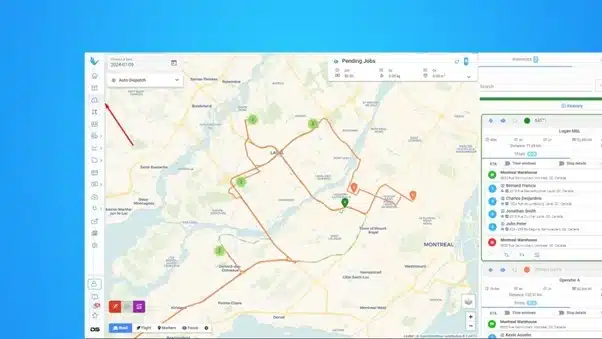
Cigo Tracker goes beyond basic route optimization. It offers a comprehensive, AI-powered delivery management platform designed for complex operations. It also streamlines last-mile delivery with:
-
- Real-time driver tracking
- Automated dispatching
- Proof of delivery (with photo capture)
- Detailed performance analytics
2. Upper Route Planner
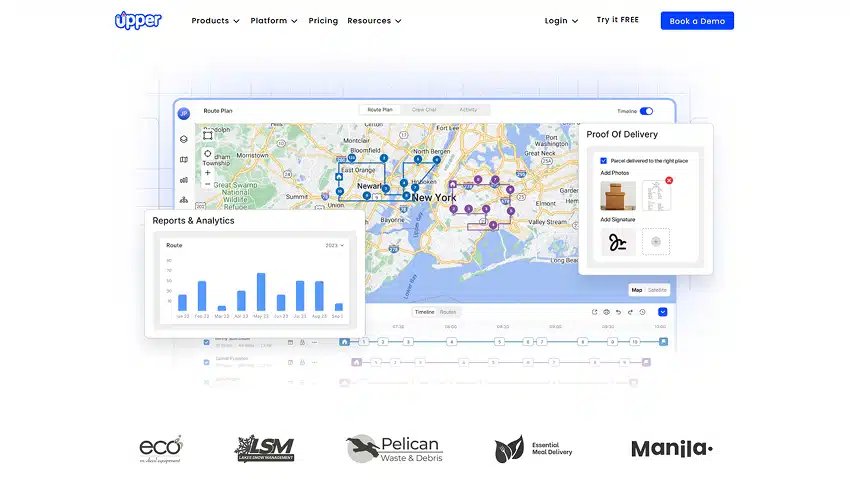
Upper Route Planner simplifies delivery operations with its intuitive interface and efficient route optimization capabilities. It allows drivers to plan multi-stop routes, track progress, and collect proof of delivery. Its affordability and ease of use make it a popular choice for individual drivers and businesses. It’s especially great for those looking to improve efficiency without a steep learning curve.
Best for
Delivery drivers and small to medium-sized businesses seeking an affordable and user-friendly route planning solution without complex features.
Key Features
- Optimized route planning for multiple stops
- GPS navigation with voice guidance
- Delivery time windows and scheduling
- Progress tracking and estimated arrival times
- Proof of delivery options (signatures, photos, notes)
Pros |
Cons |
|
|
|
|
|
|
|
|
|
PRICING
Starting price – $40 per month
3. Circuit
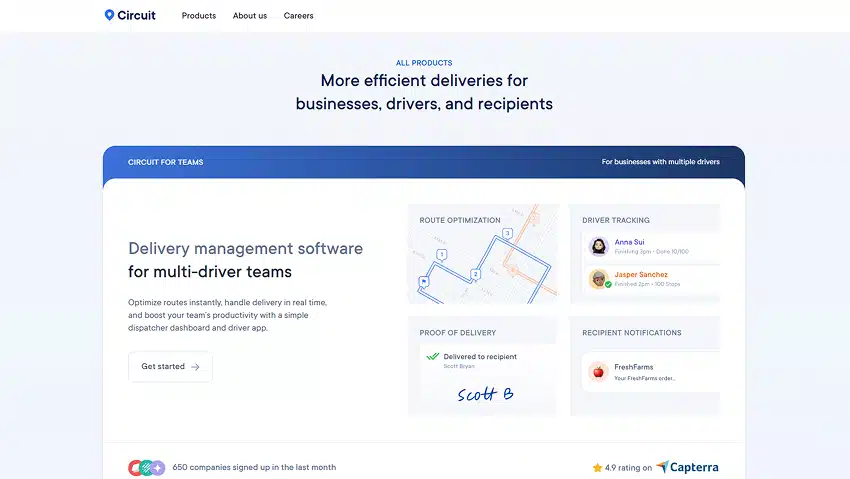
Circuit is designed for fast and efficient route planning. It optimizes routes with dynamic rerouting and provides clear GPS navigation. It also allows for proof of delivery capture. Its integration with e-commerce platforms streamlines order management. This makes it a valuable tool for businesses and individual drivers alike.
Best for
Couriers and delivery drivers who prioritize speed and efficiency, especially those working with time-sensitive deliveries or tight schedules.
Key Features
- Route optimization with dynamic rerouting
- GPS navigation with voice guidance
- Delivery time windows and priority stops
- Proof of delivery with signature capture
- Integration with popular e-commerce platforms
Pros |
Cons |
|
|
|
|
|
|
|
|
|
PRICING
Starting price – $250 per month
4. MyWay Route Planner
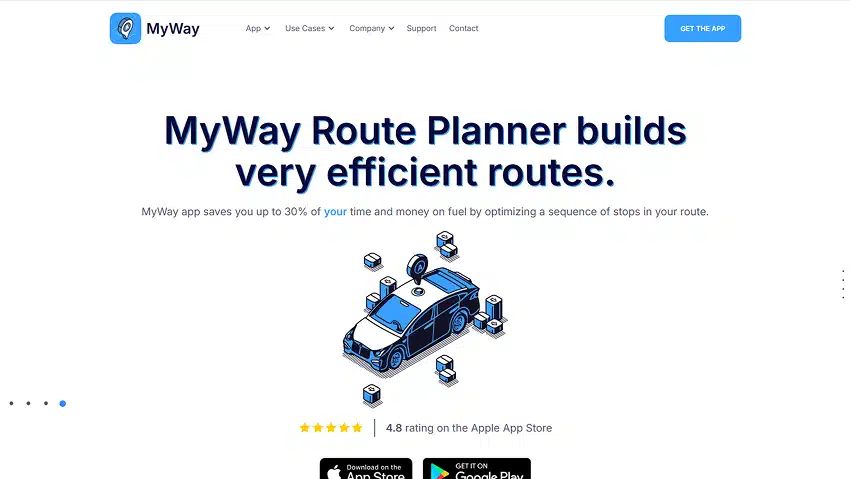
MyWay Route Planner stands out with its drag-and-drop interface and clear route visualizations. It simplifies route planning for multiple stops and provides real-time traffic updates. It also offers offline map access for uninterrupted navigation. Its focus on user experience makes it a great option for drivers who value ease of use and clear visual guidance.
Best for
Drivers who prefer a visual approach to route planning and appreciate an intuitive, user-friendly interface.
Key Features
- Drag-and-drop route planning
- Optimized routes for multiple stops
- Real-time traffic updates and alerts
- Offline map access for uninterrupted navigation
- Estimated arrival times and delivery progress tracking
Pros |
Cons |
|
|
|
|
|
|
|
|
|
PRICING
Starting price – $0 per month
5. RoadWarrior
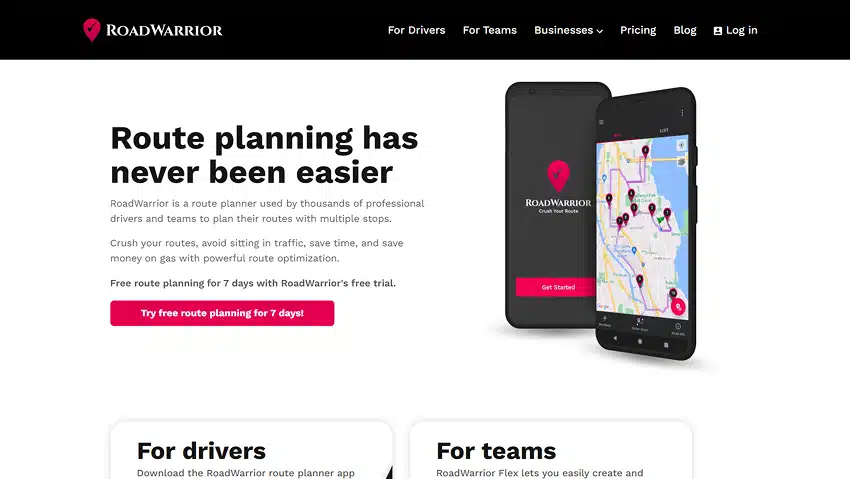
RoadWarrior is a powerful solution for managing complex delivery operations. It offers advanced route optimization, dynamic rerouting, and barcode scanning for efficient package handling. It also allows for detailed reporting. Its comprehensive features make it ideal for businesses with large fleets and demanding delivery schedules.
Best for
Delivery drivers and businesses handling a high volume of deliveries with complex routes require advanced optimization and management tools.
Key Features
- Advanced route optimization with dynamic rerouting
- Barcode scanning for efficient package handling
- Route monitoring and driver performance tracking
- Customer notifications and communication tools
- Detailed reporting and analytics
Pros |
Cons |
|
|
|
|
|
|
|
|
|
PRICING
Starting price – $14.99 per month
6. Everlance
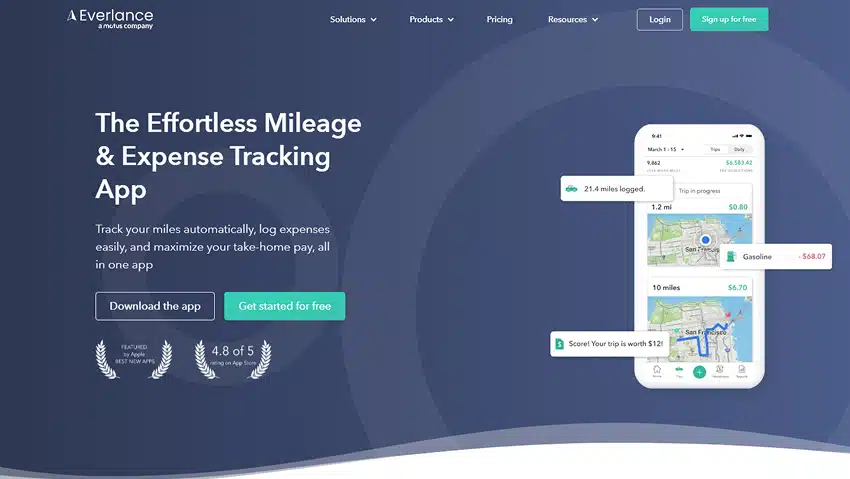
Everlance is more than just a route planner; it’s a comprehensive tool for managing finances. It automatically tracks mileage and allows for detailed expense logging with receipt capture.
It also provides reporting tools for tax preparation. This makes it an indispensable app for delivery drivers and businesses. Especially those that need to keep accurate records for tax deductions and financial management.
Best for
Individuals and businesses in the delivery sector require precise mileage and expense records. Ideal for independent couriers managing their own finances. It’s also great for businesses needing to streamline expense reporting for their delivery teams.
Key Features
- Automatic mileage tracking with GPS
- Expense logging with receipt capture
- Revenue tracking and income categorization
- Reporting tools for tax preparation and financial analysis
Pros |
Cons |
|
Automatic mileage tracking |
|
|
|
|
|
|
|
|
PRICING
Starting price – $12 per month
7. Zeo Route Planner
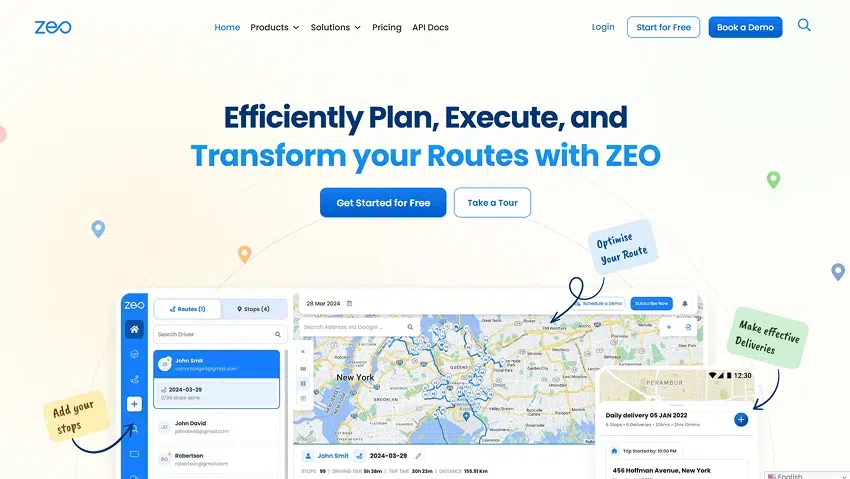
Zeo Route Planner focuses on optimizing routes for minimal driving time and fuel usage. It provides real-time traffic updates, voice-guided navigation, and proof of delivery options. Its emphasis on efficiency makes it a valuable tool for drivers who want to maximize their productivity and minimize costs.
Best for
Drivers who prioritize speed and efficiency seek a route planning solution that minimizes driving time and fuel consumption.
Key Features
- Optimized route planning with multiple stops
- Real-time traffic updates and road condition alerts
- Voice-guided navigation and turn-by-turn directions
- Proof of delivery options (signatures, photos)
- Detailed trip reports and performance summaries
Pros |
Cons |
|
|
|
|
|
|
|
|
|
PRICING
Starting price – $35 per month
Best Routing Apps for Delivery Drivers – Conclusion
Navigating delivery driving can be challenging, but with the right tools, it can also be incredibly rewarding. The delivery driver apps we’ve explored in this article offer a range of features.
Each one is designed to streamline your workflow, maximize your earnings, and reduce the stress of the job. While each app has its strengths, Cigo Tracker emerges as a top choice for businesses seeking a comprehensive solution.
Its AI-powered optimization, real-time tracking, and seamless integrations provide a powerful platform. You can manage even the most complex delivery operations.
You may prioritize advanced route optimization, detailed expense tracking, or user-friendly interfaces. In any event, there’s a route planner app for delivery drivers out there to suit your needs. Keep in mind the specific demands of your delivery operations and choose an app that aligns with your goals for efficiency, profitability, and customer satisfaction.
FAQs
1. What should I look for in a delivery driver app?
Look for features like:
- Optimized routing
- Real-time tracking
- Proof of delivery
- Offline functionality
- Expense management
- Integration with your existing systems
The best app for you depends on your delivery volume, route complexity, and whether you manage a team or work independently.
2. Can delivery driver apps really save money?
Yes. By optimizing routes, reducing fuel consumption, and cutting unnecessary mileage, these apps can lower operational costs. Apps with expense tracking and performance analytics can also help you make informed decisions to maximize earnings.
3. Are these apps suitable for independent drivers or only large fleets?
Delivery driver apps are versatile. Some, like Upper Route Planner or MyWay, are ideal for solo drivers or small teams. Others, like Cigo Tracker or RoadWarrior, are built for complex operations with large fleets. Choose one that matches your scale and workflow.
4. Do apps for delivery drivers work offline?
Many modern delivery apps offer offline functionality. This allows drivers to access routes, update delivery status, and capture proof of delivery. You can do it all, even in areas with poor or no internet connectivity. This ensures operations continue without interruptions.