Foresight AI
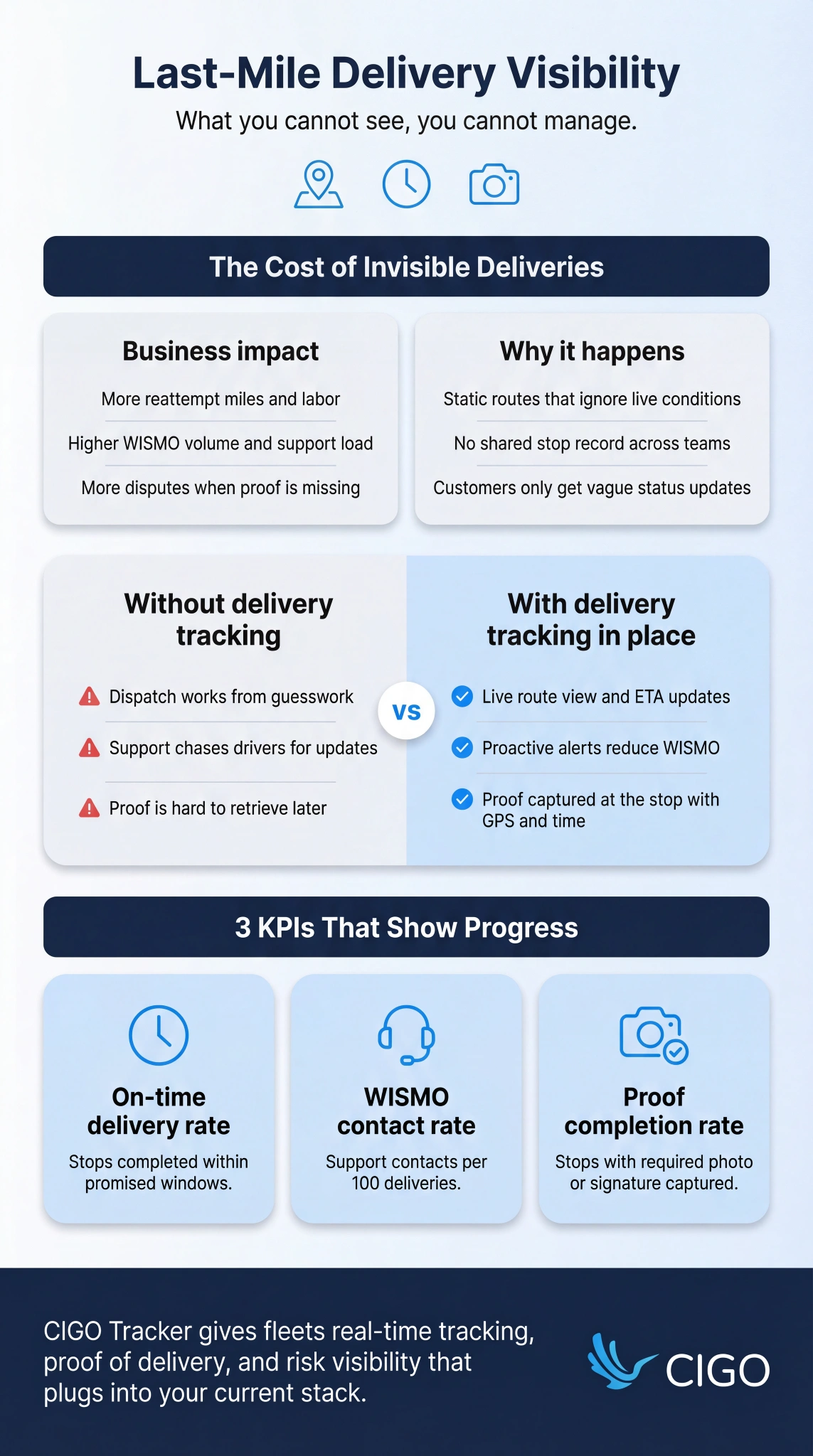
Your delivery promise gets tested at the doorstep, not in your warehouse. When a route slips, you feel it fast in WISMO calls, reattempt miles, and proof disputes.
That is why last-mile delivery software matters. It connects routing, dispatch, driver execution, customer updates, and proof into one stop record everyone can trust, so exceptions get managed while the day is still salvageable.
If you want fewer surprise costs per stop, you need control at the stop level. See how CIGO Tracker turns daily delivery work into clean visibility and defensible proof.
Key takeaways
- Last mile delivery software reduces cost per stop by tightening routes, cutting reattempt loops, and improving dispatch responsiveness.
- Real-time visibility helps you manage exceptions early, while you still have options to rebalance the route.
- Proof of delivery tools reduce disputes by standardizing evidence capture at the stop.
- Customer-facing ETAs and proactive alerts lower WISMO volume and improve trust in what customers see.
- Reporting reveals repeat failure zones, long dwell-time stops, and coaching opportunities you can actually act on.
What is last-mile delivery software
Last mile delivery software is a platform that helps you plan, dispatch, execute, track, and prove the final leg of delivery.
It replaces spreadsheets, driver phone trees, static routes, disconnected tracking links, and manual proof collection. In your stack, it sits between OMS or WMS inputs and driver execution, while giving support and leadership the same stop record.
Peer-reviewed research on drone logistics describes last-mile delivery as the final leg of fulfillment, moving items from a hub or distribution center directly to the end customer, where costs concentrate and service performance is experienced most clearly.
The review also highlights AI-driven decision-making and IoT-supported real-time monitoring, which explains why real-time visibility and dynamic routing belong in this category.
Elements Of A Modern Last-Mile Delivery Platform
Planning, dispatch, driver workflows, customer updates, proof, and analytics unite into one operational system.
Planning
This is where route optimization software turns constraints into routes that hold up in real conditions. You are not optimizing a map. You are optimizing service time, delivery windows, vehicle capacity, stop priorities, and sequencing that reflects how the day actually unfolds.
Peer-reviewed research by Sustainability highlights how variability and operational constraints drive inefficiency, which is why constraint-aware planning matters.
Dispatch
Dispatch works best when it is workflow-based and not personality-based. A strong dispatch console supports bulk imports, route edits, driver reassignment, and an exception queue that keeps issues visible without turning the day into a phone tree.
This is also where delivery dispatch software earns ROI, because you can change the plan without losing the truth of what happened.
Driver app
A driver app is the stop workflow. The best ones enforce required fields, standardize status codes, capture evidence, and keep navigation and stop instructions in one place.
That structure helps drivers finish stops cleanly, and it protects you when questions show up later.
Customer experience
Tracking is no longer a passive page. Customers want clear windows, proactive alerts, and a sense that the ETA reflects reality.
McKinsey’s consumer survey work on e-commerce deliveries points to how customers weigh delivery experience, transparency, and options, which is why the tracking layer is part of the service itself.
Evidence
Proof is not a nice-to-have when you deal with theft, claims, or chargebacks.
You want timestamps, GPS markers, photos, signatures, scan events, and notes tied to the stop record.
FedEx describes proof of delivery as documentation confirming successful delivery, including delivery details and signature when applicable, which matches what strong ePOD workflows capture digitally.
Analytics
Analytics turns route noise into decisions you can act on. When on-time slips or dwell time spikes, you trace the issue to a zone, stop type, customer, or driver and see the cost driver behind it.
From there, you fix repeats by updating instructions, adjusting dispatch rules, rebalancing capacity, or coaching behaviors.
The same data also proves improvement over time, so gains stay locked in.
Why last-mile management matters now
The last mile is high-variance by design. Traffic shifts, building access blocks drivers, customers miss alerts, and service time swings stop to stop.
Small misses compound into measurable costs. Reattempts add miles, long dwell times burn labor, weak route density wastes capacity, and manual exception handling slows recovery.
Customers judge your brand on delivery clarity, not the complexity behind the scenes. In its last-mile efficiency guidance, DHL explains that failed deliveries, longer routes, and higher fuel use quickly compound and cut into profits, while reliable delivery builds trust and loyalty.
What Changed Since “Basic Tracking” Tools
In 2026, basic tracking is not enough. Customers expect clear ETA windows, proactive alerts, and easy changes when plans shift.
Operations need more too. A map dot cannot confirm a successful stop, so dispatch relies on workflows and a shared stop record.
So the shift looks like this.
- Tracking became a service experience
- Dispatch gained exception workflows and edits
- Proof became defensible stop evidence
- One truth aligned every team
Challenges With Manual Or Disconnected Last-Mile Operations
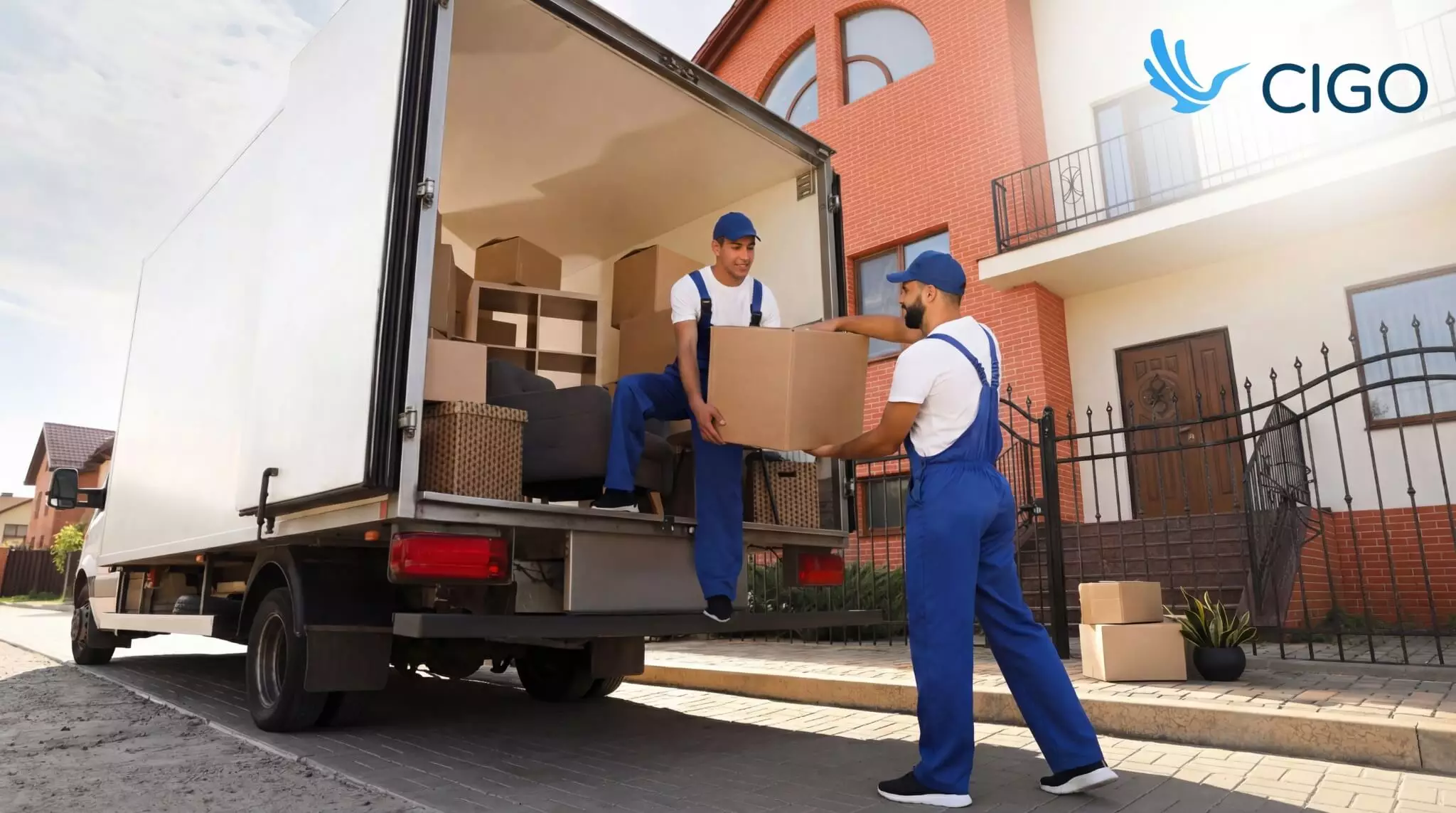
In manual, disconnected last-mile operations, ETAs drift across SMS, tracking links, and support screens, so customers stop trusting the status and WISMO climbs.
Support slows down because it is reconciling a different version of truth than dispatch.
This is usually the tipping point where manual vs automated route planning stops being a debate and starts being a capacity decision.
Pressure shows up at the curb and inside buildings. Urban Freight Lab “Final 50 Feet” work describes this as the segment where vehicles park and deliveries move through access friction, inflating dwell time and failed attempts.
One sick call can trigger a cascade of route edits, missed windows, and avoidable reattempts across teams.
Benefits Of Last-Mile Delivery Software For Ops Teams
Ops teams feel pressure at the stop, where reattempts and miles add up. Capgemini’s last-mile cost analysis notes that the last-mile can account for 41% of supply chain costs, so execution gains scale.
When routing, dispatch, and proof share one workflow, benefits follow:
- Lower cost per stop from tighter routes and fewer reattempts
- Less fuel waste by cutting detours and idle time
- Faster changes through live reassignment
- Higher on-time performance through early exception control
- Clearer accountability with consistent proof of delivery
Operational Impact Of Better Last-Mile Data
Better last-mile data reduces noise for dispatch teams. Instead of chasing driver updates, your team sees exceptions early and works the queue with context.
Coaching becomes specific because dwell time, late risk, and failure reasons are comparable by route and stop type. Leadership also gains a clear view of cost drivers like reattempt clusters and long-stop customers, which supports staffing and capacity decisions.
Those insights set up the KPI targets and feature checklist that follow.
Key features to look for in last-mile delivery software
Use this checklist to evaluate last mile delivery management software that keeps planning, execution, and proof connected.
- Route optimization with constraints including time windows, capacity, and priorities
- Real-time tracking and route progress view with route health indicators
- Dispatch console with bulk upload, route edits, and reassignment
- Address validation plus delivery instructions capture
- Customer notifications through SMS and email, plus a branded tracking page
- Proof of delivery with photos, signatures, notes, timestamps, GPS validation, and scan support
- Exception workflows with failure reasons, reschedule tools, contact logs, and escalation steps
- Role-based access controls, audit logs, and configurable data retention
- Reporting dashboards and exports for ops, support, and leadership
- Integrations for OMS, WMS, and TMS, plus webhooks and API access
If you’re comparing platforms, work through delivery software integration questions early, so APIs, webhooks, and data sync don’t turn into a last-minute checkbox.
How last-mile delivery software improves customer experience
Customer experience improves when you set expectations early, keep ETAs honest, and close deliveries with proof customers can trust.
Pre-delivery
Customers want confirmation, clear delivery windows, and a way to add instructions that drivers actually see. That reduces access friction at the curb and makes service time more predictable.
Day of delivery
A live ETA window backed by real progress builds trust. When the window shifts, the message should shift with it so customers see the same truth your dispatch team sees.
Post-delivery
Fast proof access shortens disputes. It also reassures customers who worry about theft and misdelivery.
Scenario turning uncertainty into confidence
A customer sees their ETA window shift. They receive an updated window that reflects route progress and includes a clear reason tied to the route state.
Dispatch sees the same risk early and rebalances stops before SLA breach becomes inevitable.
The stop record stays intact even as assignments change, so support never has to guess.
Proof is captured correctly at the stop with required fields enforced by stop type. When a dispute appears, you pull the stop evidence in seconds instead of chasing a driver for memory.
Use cases for last-mile delivery software
Different delivery models demand different workflows, from high-volume retail drops to regulated handoffs and appointment-based service.
Retail and DTC
High stop counts and WISMO pressure reward clarity. You need tracking and proof that stay consistent across thousands of drops each day. Look for these:
- ETA windows that update automatically
- Driver-visible delivery instructions
- Photo and GPS proof for doorstep claims
Furniture and bulky goods
Scheduled windows define success, and access constraints add risk.
You want pre-arrival contact, reschedule flows, and exception reasons that explain refusals or no access. Multi-photo proof and damage notes close the loop, especially when placement and condition drive disputes.
Medical and regulated deliveries
Compliance lives in the handoff. You need strict proof rules, scan events, and audit trails that hold up when questions arrive.
- Required recipient verification and custody scans
- Role-based permissions with retention controls
3PL and partner fleets
Partner fleets add variability, so standardization keeps SLAs enforceable. You want one language for statuses and one proof standard, even across contractors. Focus on these.
- Shared exception codes and workflows
- Contractor onboarding and permissions
- Performance reporting by partner
Field service and specialty delivery
This looks more like appointments than parcel drops. You need task checklists, notes, and time-on-site tracking, plus customer updates that mirror what dispatch sees.
When work changes mid-route, the stop record should capture the change without extra calls.
Implementation Best Practices
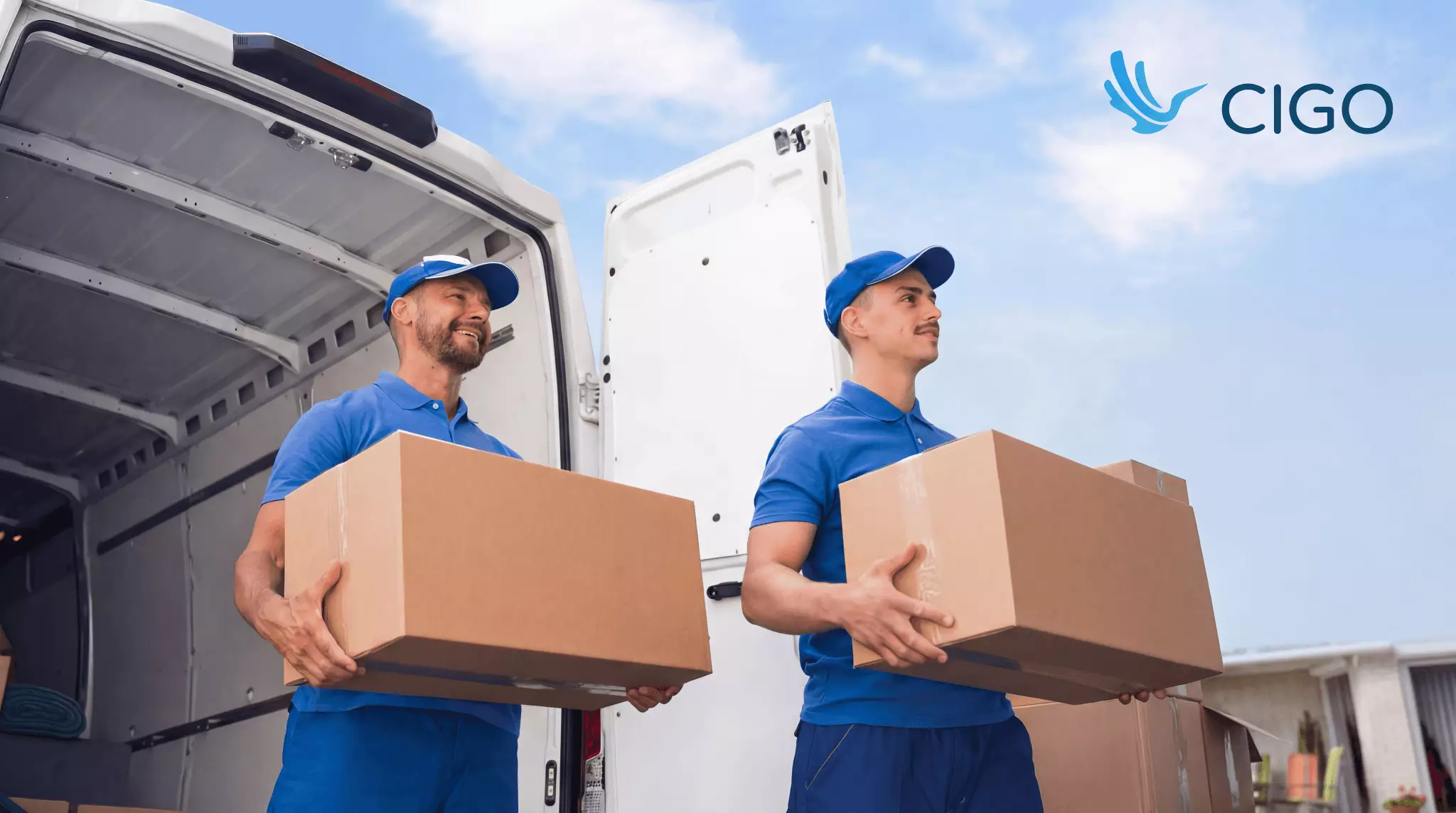
Rollout works when you standardize the language of the stop. Define status codes and failure reasons early, and train dispatch and drivers on the same meanings.
Clean your address data and instruction fields so ETAs stabilize and initial-attempt success rises. Start with one region or one route type, and set KPI targets you can review.
As you expand, align support workflows with dispatch reality so customers hear one story. When every team reads the same stop record, you scale changes with confidence instead of firefighting.
Tracking Kpis To Monitor Post-Implementation
After rollout, monitor what customers experience and what routes actually cost.
These KPIs show reliability, efficiency, proof quality, and how quickly you recover from exceptions. Review trends weekly, and dig into spikes early before repeats. Track these.
- On-time and ETA accuracy
- Cost per stop, miles per stop
- WISMO contacts
- Failures and reattempts
- Dwell time per stop
- Proof completion and disputes
- Exception resolution time
A weekly review built around the top 10 last-mile KPIs keeps ops, support, and leadership reading the same story.
Getting The Most Out Of CIGO Tracker For Last-Mile Operations
With CIGO Tracker, outcomes improve because routing, dispatch, tracking, and proof all run through a single workflow.
Start with Delivery Tracking so every stop carries live status, ETA shifts, and proof in the same record. This visibility helps your team spot risk early and rebalance routes without losing customer trust.
Add Customer Engagement for windows, alerts, and reschedule options that cut WISMO. Pair it with Platform Security so permissions, audits, and retention stay clean across ops and support.
When teams read one truth, you spend less time reconciling and more time improving.
Creating A Competitive Advantage With Last-Mile Delivery Software
Delivery is a trust moment. Customers remember whether you kept them informed more than they remember your internal constraints.
In its last-mile delivery research, Deloitte notes that companies increasingly compete on delivery speed and convenience, and highlights last-mile digitization as a practical way to meet those rising expectations.
Last-mile delivery software turns that expectation into an operating advantage.
You prove SLA performance with clean reporting and reliable proof, and support teams resolve issues from a single stop record instead of stitching together scattered updates.
Future trends in last-mile delivery software
In 2026, the pressure is moving in one direction. Faster delivery promises keep shrinking the margin for error, so the software has to keep routes and ETAs responsive, even when conditions shift mid-day.
TechTarget’s last-mile delivery trends describe this push toward faster delivery, paired with broader customer expectations for deeper visibility than a static estimate
You can also see the stack expanding outward.
Automation pilots like drones and robots are gaining attention, sustainability is shaping fleet choices, and customers are getting more control over delivery time and location. Add direct customer communication, and asset-sharing models supported by platforms, and you get a clearer picture of where last-mile tools are headed.
Last Mile Delivery Software Streamlines Your Workflow
Last mile delivery software brings routing, dispatch, execution, customer updates, and proof into one connected workflow. When every stop shares the same record, teams stop reconciling and start acting with confidence.
It also helps you audit where performance slips, choose exceptions and proof workflows that match your delivery reality, and keep KPI reviews consistent until the gains hold. If you are comparing last mile tracking software, look for a system that keeps status, ETA changes, and evidence aligned across every channel.
Want to see how it fits your routes and stop types? Book a demo with CIGO Tracker.
FAQs
Who should use a last-mile delivery platform?
Last mile delivery management software is built for teams running the final leg, not only tracking it. You need it when you manage time windows, high stop counts, service penalties, or frequent status questions, and you want one shared stop record.
How can last-mile tools reduce failed deliveries?
Failed deliveries drop when planning and execution share the same rules. Route optimization software builds feasible sequences around capacity and time windows, while last mile tracking software keeps ETAs aligned with real progress so customers and dispatch can adjust before the stop is missed.
Which proof of delivery details matter most in disputes?
In disputes, proof of delivery must answer who received it, where it landed, when it happened, and what condition it was in. Photos, signatures, timestamps, GPS validation, scans, and driver notes work best when they are required by stop type and stored together.
Which KPIs show ROI after rollout?
ROI shows up when cost per stop falls and service stabilizes at the same time. Delivery dispatch software helps by reshuffling work without losing accountability, so reattempts, dwell time, exception resolution time, and disputes decline while on-time rate and ETA accuracy climb.
What should you prepare before implementation?
Start by standardizing status codes and failure reasons so reporting stays consistent. Clean address and instruction data, and decide which driver fields are required. Pilot a route set to tune alerts and last mile tracking software workflows, so support and dispatch share one truth.